Discover Rolando's Restaurante
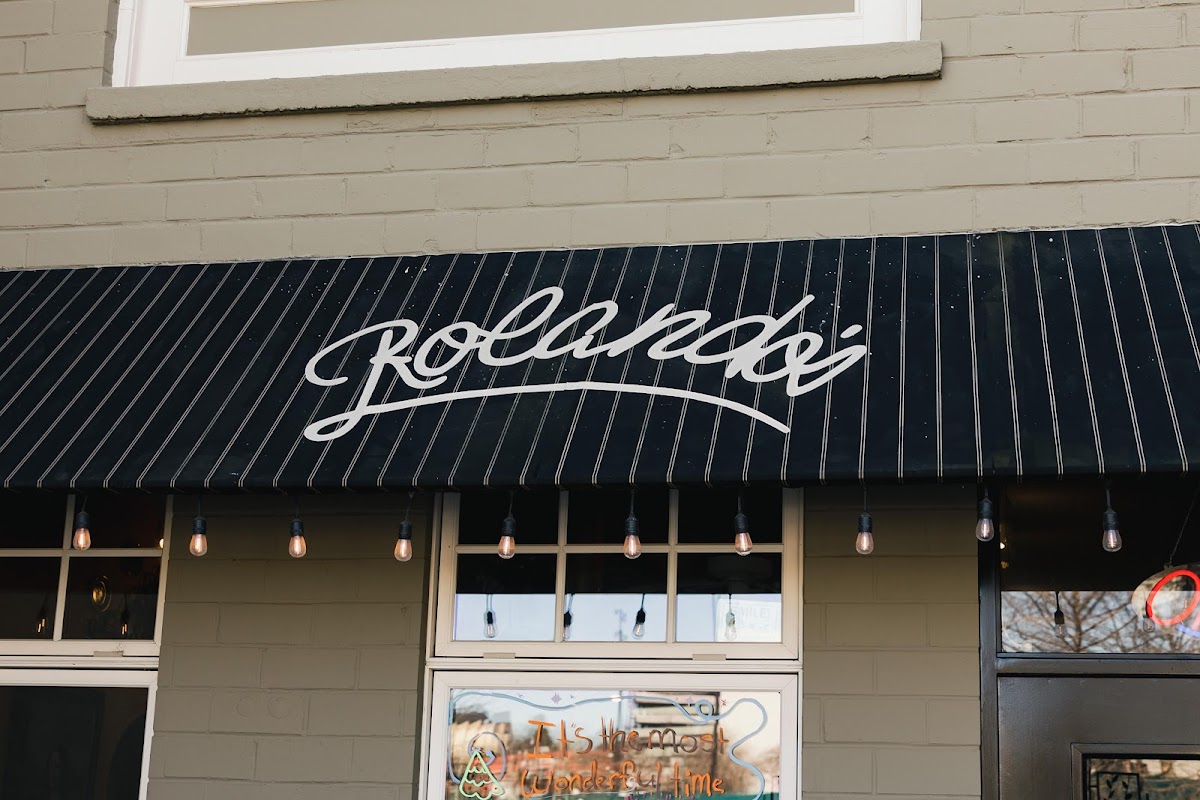
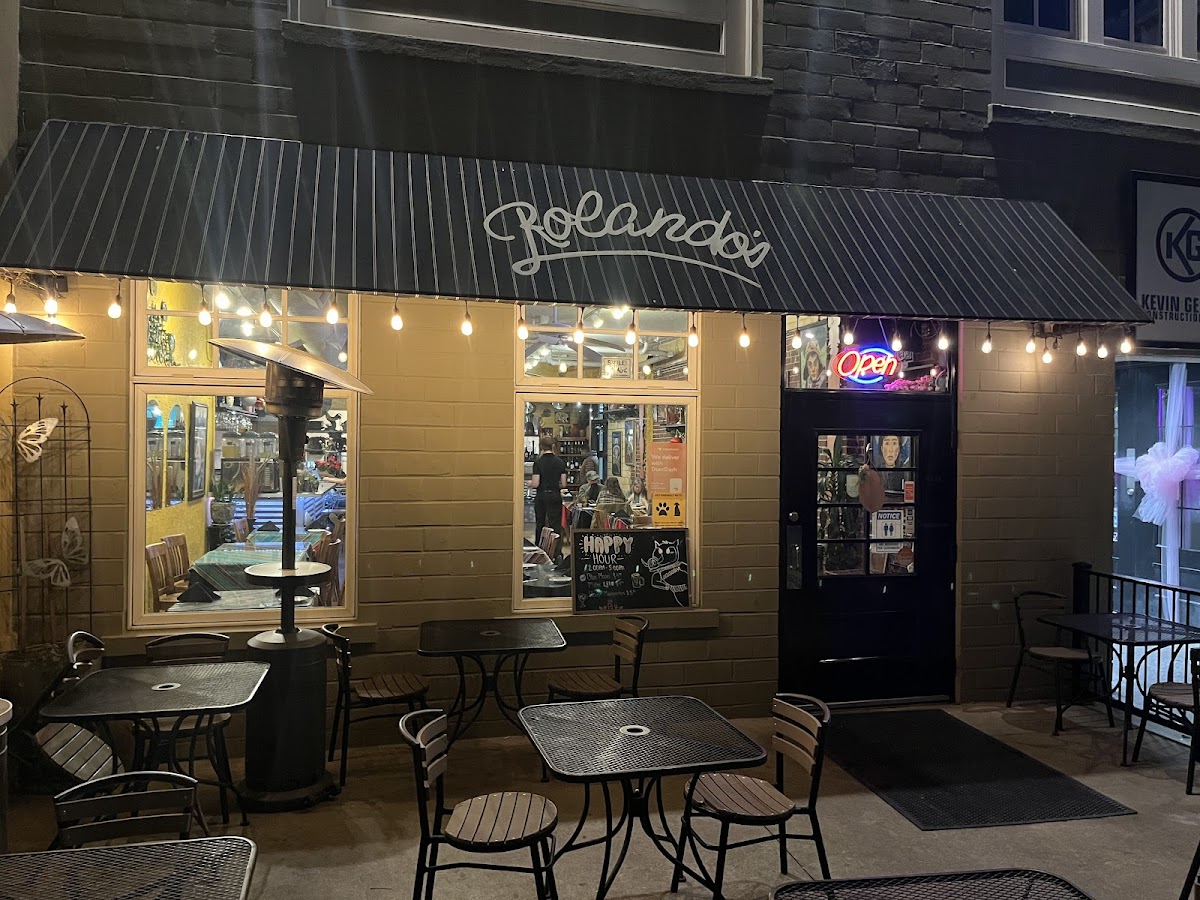
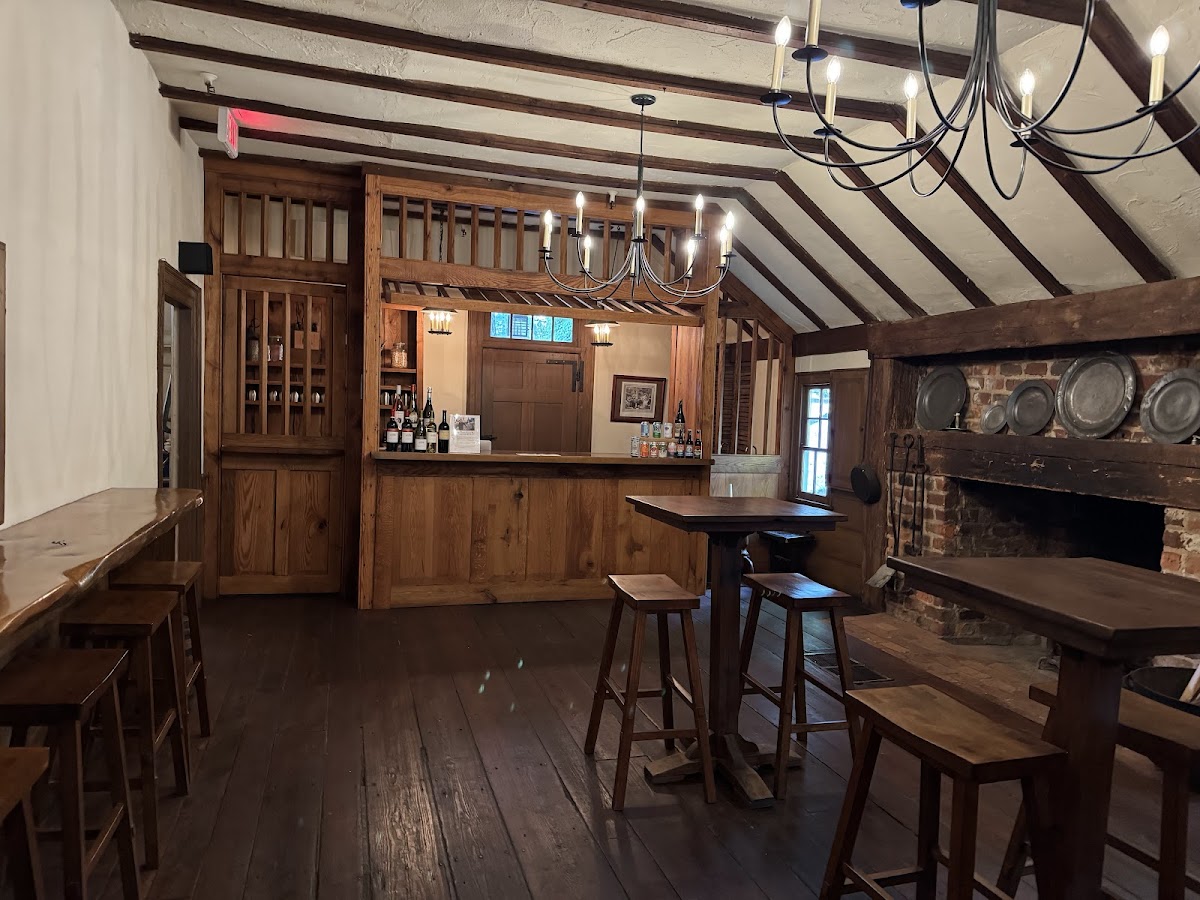
The first time I walked into Rolando's Restaurante, I was coming off a long drive through the Ozarks and needed something that felt like a reward instead of a pit stop. The place sits quietly at 509 W Spring St STE 220, Fayetteville, AR 72701, United States, tucked into a row of shops, but once you open the door the whole vibe changes. Warm lighting, Latin music drifting through the dining room, and servers who greet you like you’ve been coming there for years.
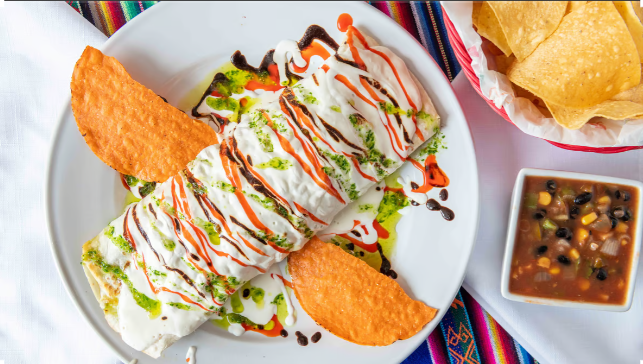
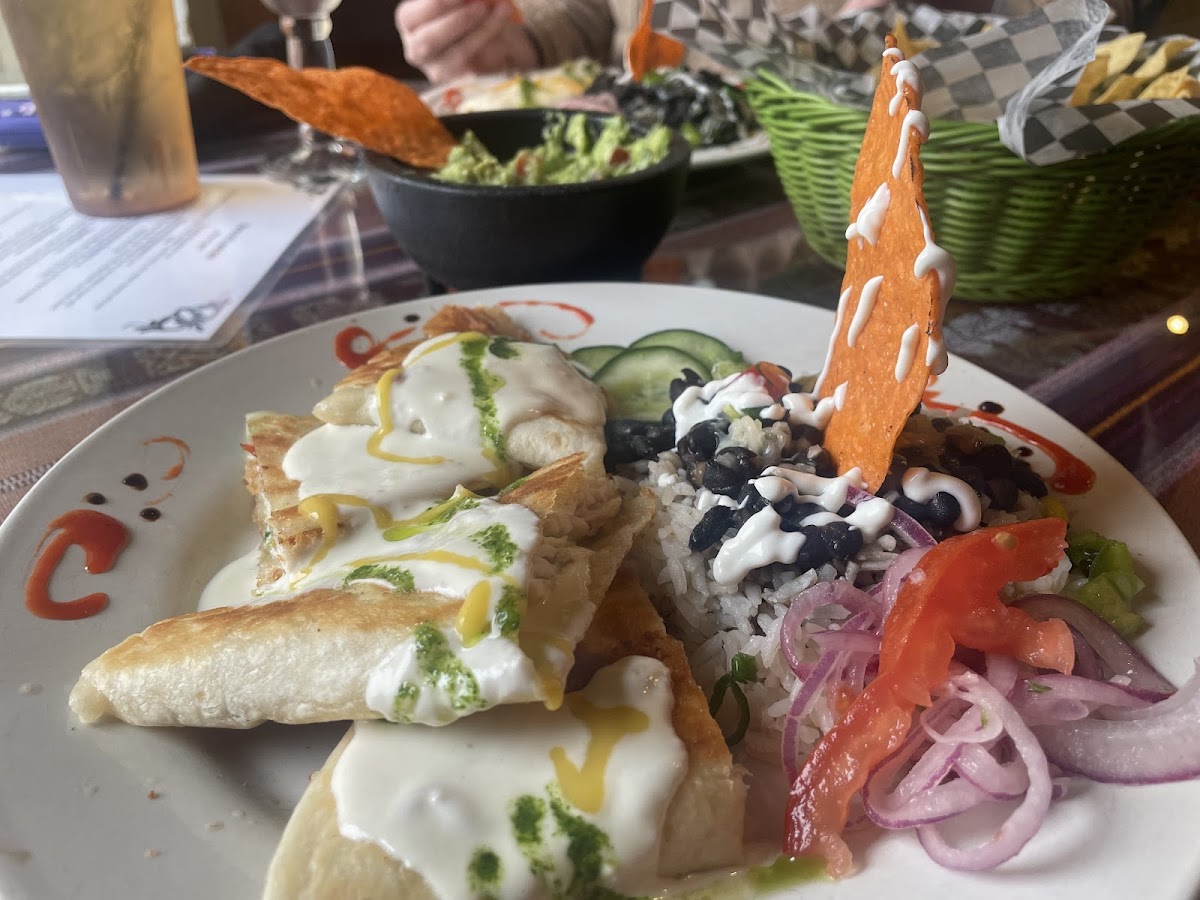
Over the past few years I’ve eaten at dozens of Latin and Caribbean kitchens across the South, and what stands out here is how consistent the menu is. Their roasted pork with sweet plantains is cooked low and slow, the way Caribbean chefs recommend to break down connective tissue and lock in flavor. According to culinary research from the American Culinary Federation, braising pork at controlled temperatures for several hours can reduce moisture loss by more than 20 percent compared to high-heat methods. You can taste that science at work in every forkful.
One of the cooks once explained their spice process while I was waiting for takeout. They grind small batches of cumin, coriander, and annatto seeds each morning instead of relying on pre-mixed powders. That method mirrors what food scientists at Cornell University have published about volatile oils breaking down after grinding. Freshly ground spices retain aromatic compounds far longer, which explains why even a simple rice dish here smells incredible.
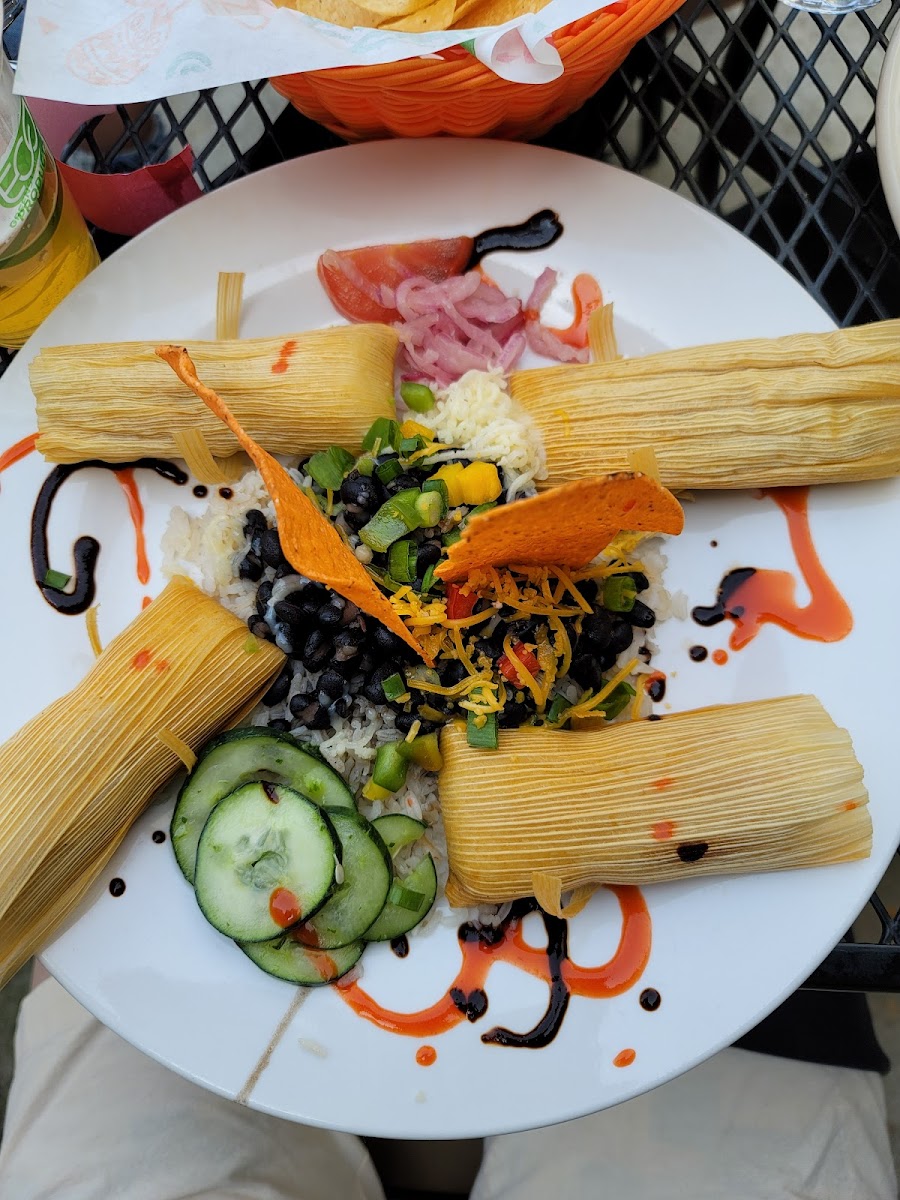
The empanadas deserve their own spotlight. I brought a group of coworkers here last fall after a campus meeting at the University of Arkansas, and we ordered four varieties to share. The beef empanada had a flaky shell with a filling that balanced garlic, onion, and slow-simmered meat. One friend who teaches nutrition said it reminded her of dishes she tried while researching Caribbean diets, where beans, lean meats, and herbs combine to create high-protein meals without feeling heavy. Real-world case studies from the Harvard T.H. Chan School of Public Health back that up, showing that meals built around legumes and herbs tend to support better heart health.
What also builds trust is the way the staff handles questions. I once asked about allergens because a family member has a mild shellfish sensitivity. Instead of a vague answer, the server walked me through which menu items are prepared on shared surfaces and which are isolated. That level of transparency aligns with guidelines from the FDA on consumer food safety, and it makes dining here feel reliable, not risky.
Online reviews often mention the rotating lunch specials, and they aren’t exaggerating. One Tuesday I stopped in and found a black bean soup that wasn’t listed anywhere else. It had a smoky depth from roasted peppers and just enough citrus at the end to cut through the richness. Later I learned they test new recipes this way before adding them permanently, which is a smart way to gather feedback without committing to a full rollout.
Even the location works in its favor. Being downtown means students, locals, and visitors overlap, so the dining room has a steady hum without feeling rushed. There is limited parking during peak hours, which is probably the biggest drawback, and sometimes the wait stretches to 30 minutes on Friday nights. That said, the host always gives realistic estimates, and I’ve never felt misled.
If you’re the type who checks reviews before choosing a restaurant, you’ll notice people talk about how welcoming the place feels more than any single dish. That’s rare. It suggests the experience goes beyond food into atmosphere, service, and consistency. After a handful of visits spread over two years, I can say that impression holds up. The menu evolves, the staff stays friendly, and the flavors stay rooted in traditions backed by both culinary practice and solid research, which is why I keep coming back.